Ofloxacin Eye Drops: When Are They Used for Eye Infections?
Home / Ofloxacin Eye Drops: When Are They Used for Eye Infections?
Home / Ofloxacin Eye Drops: When Are They Used for Eye Infections?
Eye infections can cause symptoms such as redness, irritation, watering, discharge, swelling, itching, and discomfort. While some eye conditions may improve with simple supportive care, bacterial infections often require appropriate medical treatment. Ofloxacin Eye drops are a type of antibiotic eye medicine that may be prescribed for certain bacterial infections affecting the eye.
Ofloxacin belongs to a group of antibiotics known as fluoroquinolones. It works by interfering with the ability of susceptible bacteria to grow and multiply. However, antibiotic eye drops are not suitable for every type of eye infection. Viral, fungal, or allergy-related eye problems generally require different approaches.
Understanding when ofloxacin eye drops may be used, how they are administered, and what precautions should be followed can help patients use them more safely under appropriate medical guidance.
Ofloxacin eye drops contain ofloxacin as their active ingredient and are formulated for ophthalmic use. They are generally prescribed to manage certain bacterial infections of the eye when the causative bacteria are susceptible to the medicine.
The antibiotic works by interfering with bacterial enzymes involved in DNA replication. This prevents susceptible bacteria from multiplying and helps control the infection.
The exact formulation, strength, dosage, and treatment duration can vary depending on the product and the patient’s condition. For this reason, patients should follow the instructions provided by their doctor or the product label rather than using antibiotic eye drops without professional advice.
Ofloxacin eye drops may be prescribed for bacterial infections involving different parts of the eye. One common situation is bacterial conjunctivitis, in which the conjunctiva becomes infected and may produce redness, irritation, and discharge.
A doctor may consider antibiotic eye drops when symptoms and clinical examination suggest that bacteria are responsible for the infection. They may also be prescribed for certain other superficial bacterial eye infections when an appropriate healthcare professional determines that topical antibiotic treatment is suitable.
Common symptoms associated with bacterial eye infections can include:
These symptoms can overlap with viral and allergic conditions. Therefore, symptoms alone cannot always determine whether an antibiotic is needed.
Ofloxacin works against susceptible bacteria by interfering with enzymes that bacteria need for DNA replication and repair. By disrupting these processes, the medicine prevents bacterial growth and can help eliminate the infection.
It is important to remember that ofloxacin is an antibiotic, not a general-purpose treatment for all forms of red or irritated eyes. Using an antibiotic when there is no bacterial infection may provide little benefit and can contribute to unnecessary antibiotic exposure.
For this reason, the decision to use Ofloxacin Eye drops should be based on the suspected or confirmed cause of the eye condition and professional medical advice.
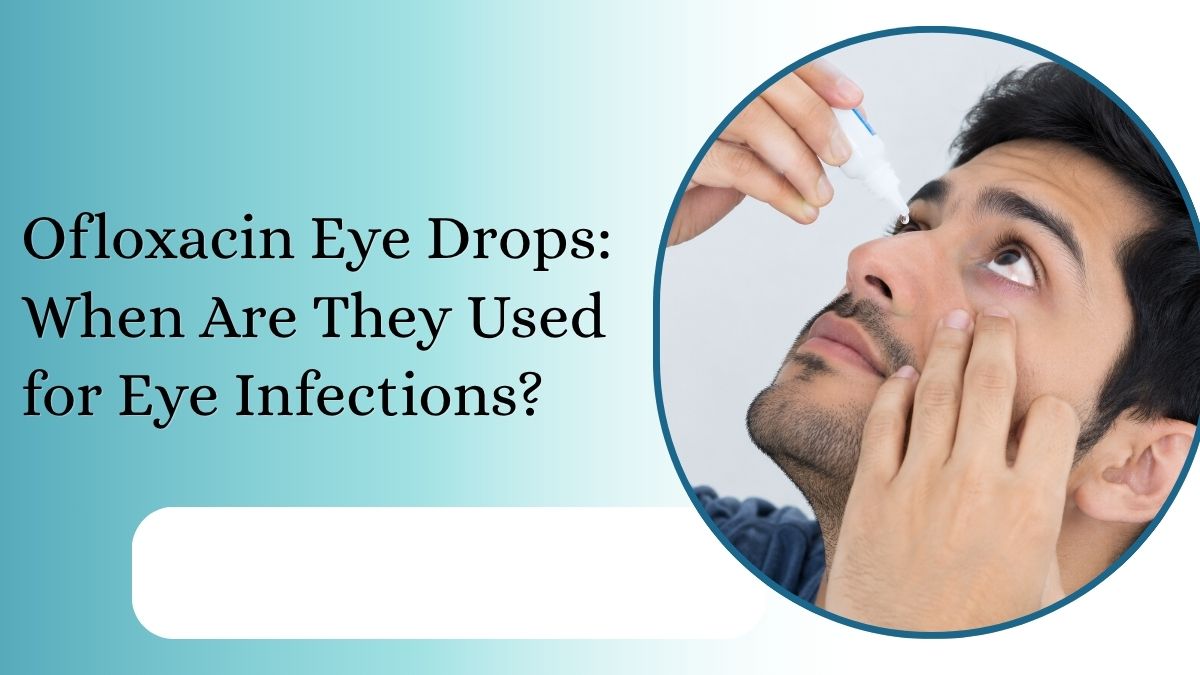
Patients should use ofloxacin eye drops exactly as directed by their doctor or pharmacist. The number of drops, frequency of application, and duration of treatment depend on the specific infection and prescribed formulation.
General steps for applying eye drops include:
If other eye medicines are being used, a doctor or pharmacist can advise on the appropriate order and timing between products.
Before using an antibiotic eye drop, patients should tell their healthcare professional about known allergies, existing eye conditions, other medicines, and any previous reactions to antibiotics.
Contact lens wearers may also need specific instructions. Wearing contact lenses during an active eye infection can sometimes worsen irritation or interfere with recovery. Patients should follow their eye-care professional’s advice regarding lens use.
The dropper should never be shared with another person because sharing ophthalmic medicines can increase the risk of contamination and infection transmission.
Patients should also avoid using leftover antibiotic eye drops from a previous infection. A previous prescription may not be appropriate for a new eye problem, even when the symptoms appear similar.
Like other medicines, ofloxacin eye drops can cause side effects in some people. Temporary symptoms after application may include mild burning, stinging, irritation, redness, blurred vision, or increased watering.
These effects may be short-lived, but persistent or worsening symptoms should be discussed with a healthcare professional.
Seek prompt medical attention if there are signs of a serious allergic reaction or if the eye condition becomes significantly worse. Severe pain, marked swelling, significant changes in vision, or light sensitivity may require urgent assessment because they can indicate a more serious eye condition.
Antibiotics are useful medicines when they are needed for bacterial infections, but they should not be used unnecessarily. Not every case of conjunctivitis or eye redness is caused by bacteria.
Viral conjunctivitis, allergic conjunctivitis, dry eye, and irritation from environmental factors can produce symptoms that resemble bacterial infection. Antibiotic treatment will not treat these underlying causes.
Responsible antibiotic use means taking the medicine only when appropriately recommended, following the prescribed schedule, and completing the treatment according to professional instructions. Patients should not increase the dose or stop treatment early without discussing it with their healthcare provider.
Quality and consistency are important when producing ophthalmic medicines because eye drops are intended for direct application to a sensitive area. Manufacturing facilities need appropriate processes for formulation, filling, packaging, quality testing, and contamination control.
A professional Ofloxacin Eye drops Manufacturer follows applicable pharmaceutical manufacturing and quality requirements to ensure that products are produced according to established specifications. Manufacturers may also perform quality checks on ingredients, finished formulations, packaging, and other critical parameters.
For pharmaceutical businesses, selecting an experienced manufacturer can involve evaluating manufacturing capabilities, quality systems, regulatory compliance, product portfolio, documentation, and supply reliability.
Companies looking for an Eye Drop Manufacturer may consider several factors before selecting a manufacturing partner.
These can include:
A suitable manufacturing partner should be able to demonstrate appropriate processes for producing ophthalmic products while maintaining consistent quality standards.
Eye symptoms should not always be treated with over-the-counter medicines. Professional evaluation is especially important when symptoms are severe, persistent, recurrent, or associated with vision changes.
Medical attention may be necessary if you experience:
People who wear contact lenses should be particularly cautious about new eye infections and seek professional advice when symptoms develop.
Ofloxacin eye drops are antibiotic eye medicine used for certain bacterial eye infections caused by susceptible bacteria. They should be used according to a healthcare professional’s recommendation.
No. Ofloxacin is an antibiotic and works against susceptible bacteria. It does not treat viral or fungal eye infections and is not appropriate for every cause of eye redness or irritation.
It is generally better not to use leftover prescription eye drops for a new eye problem without medical advice. Different eye conditions can have different causes and may require different treatments.
Storage requirements can vary according to the specific product. Follow the manufacturer’s instructions on the packaging or the advice provided by your pharmacist or healthcare professional.
Some people may experience temporary burning, stinging, redness, irritation, or watering after application. If symptoms are severe, persistent, or accompanied by other concerning changes, seek medical advice.
Contact lens use may need to be avoided during an eye infection or while using certain ophthalmic medicines. Follow the instructions of your eye-care professional and the product information.
The treatment duration depends on the type and severity of the infection and the prescribed product. Use the medicine for the duration recommended by your healthcare professional.
Businesses can evaluate an Ofloxacin Eye drops Manufacturer based on manufacturing facilities, quality systems, regulatory compliance, ophthalmic production experience, documentation, and consistency of supply.
Ofloxacin eye drops can play an important role in treating certain bacterial eye infections when prescribed appropriately. Because eye redness and irritation can have many different causes, identifying the underlying condition is an important part of choosing the right treatment.
Patients should use antibiotic eye drops according to professional guidance, follow application instructions carefully, avoid sharing medicines, and seek medical attention when symptoms are severe or unusual. For pharmaceutical businesses, working with a qualified Eye Drop Manufacturer can also be an important consideration when sourcing ophthalmic products and maintaining consistent quality.